 EN
EN
 English
  简体中文
简体中文  Italian
  Spanish
  Turkish
  Japanese
  Portuguese
  Russian
  French
  German
  Polish
  Persian
  Arabic
 News
Latest news, updates & insights from Fushi.
Latest news, updates & insights from Fushi.
May 08, 2026Source:Intelligent Browse: 277
In many industrial environments, ordinary consumer tablets simply cannot handle daily operational demands. Warehouses, production lines, outdoor inspection sites, logistics centers, energy facilities, and public service sectors often require devices that can continue operating under dust, vibration, moisture, temperature fluctuations, and long working hours. This is why more companies are shifting toward rugged computing solutions designed specifically for industrial work.

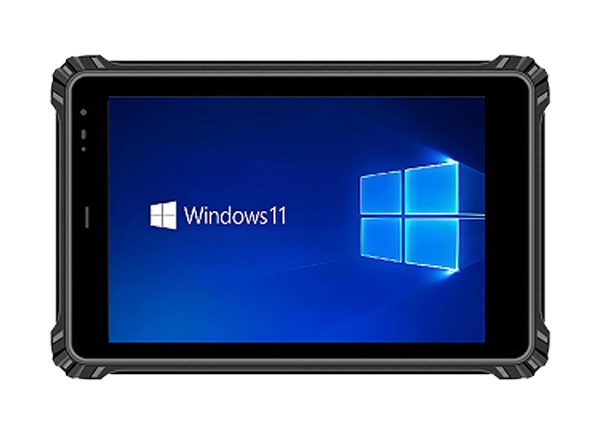
Among the available options, the 12-inch Windows 10/11 Rugged Tablet has become a popular choice for businesses that need both mobility and full Windows compatibility in the field.
But choosing the right rugged tablet is not simply about selecting the largest screen or the latest operating system. Industrial buyers usually need to evaluate durability, connectivity, expansion capability, workflow compatibility, and long-term deployment stability before making a decision.
For many industrial users, screen size directly affects work efficiency. Smaller handheld terminals are suitable for barcode scanning and simple data collection, but they are often not ideal for complex software operations, engineering drawings, field reports, or multi-window tasks.
A 12-inch rugged tablet provides a more balanced working experience. It offers:
For industries such as manufacturing automation, equipment maintenance, surveying, logistics management, and power inspection, this screen size is often more practical than smaller rugged handheld devices.
One major reason industrial buyers prefer Windows rugged tablets is software compatibility.
Many factories and enterprise systems still rely heavily on Windows-based applications, including:
Using a Windows 10/11 rugged tablet allows employees to continue using familiar desktop-level software without rebuilding the existing workflow.
Compared with Android devices, Windows rugged tablets often provide better compatibility with:
For businesses planning long-term deployment, maintaining software continuity can significantly reduce training costs and integration challenges.
When evaluating a rugged tablet, many buyers first focus on CPU performance or memory configuration. While those specifications are important, durability is often the real deciding factor in industrial environments.
A rugged tablet used in warehouses or outdoor field work may face:
This is why buyers should carefully check:
Industrial environments usually require at least IP65 or IP67 protection to prevent dust and water damage.
A rugged tablet should withstand accidental drops during daily operations.
Outdoor industries such as utilities, transportation, and construction often require stable operation in extreme temperatures.
The housing design should protect internal components from vibration and impact.
A rugged device that fails frequently can create far more operational costs than the initial hardware investment itself.
Modern industrial workflows rely heavily on real-time data communication. A rugged tablet without strong connectivity options can quickly become inefficient in field operations.
When selecting a Windows rugged tablet, industrial buyers should pay attention to:
For example, warehouse and logistics teams often require barcode scanners and RFID readers, while field inspection teams may depend on GPS and mobile network communication.
The right connectivity configuration depends heavily on the actual working environment.
Battery performance is another commonly overlooked factor.
In industrial environments, workers may spend an entire shift away from charging stations. If a rugged tablet frequently requires charging, workflow interruptions become unavoidable.
A practical industrial rugged tablet should provide:
Industries such as transportation, power inspection, and outdoor maintenance particularly benefit from extended operational endurance.
Many companies deploy rugged tablets for several years. As operational requirements evolve, expansion capability becomes increasingly important.
Industrial buyers should evaluate whether the rugged tablet supports:
A scalable rugged platform can adapt to future projects without requiring complete hardware replacement.
Different industries prioritize different features. Understanding actual usage scenarios is essential before purchasing.
Factories usually focus on:
Warehouse operations often require:
Field workers in energy systems typically need:
Emergency response teams usually prioritize:
Vehicle-mounted applications often require:
Selecting the right rugged tablet becomes much easier once the deployment environment is clearly defined.
Many industrial projects require more than standard hardware configurations. This is why OEM and customization services are becoming increasingly important in the rugged computing market.
Some common customization requirements include:
For system integrators and enterprise buyers, working directly with an experienced rugged tablet manufacturer often provides more flexibility and long-term support.
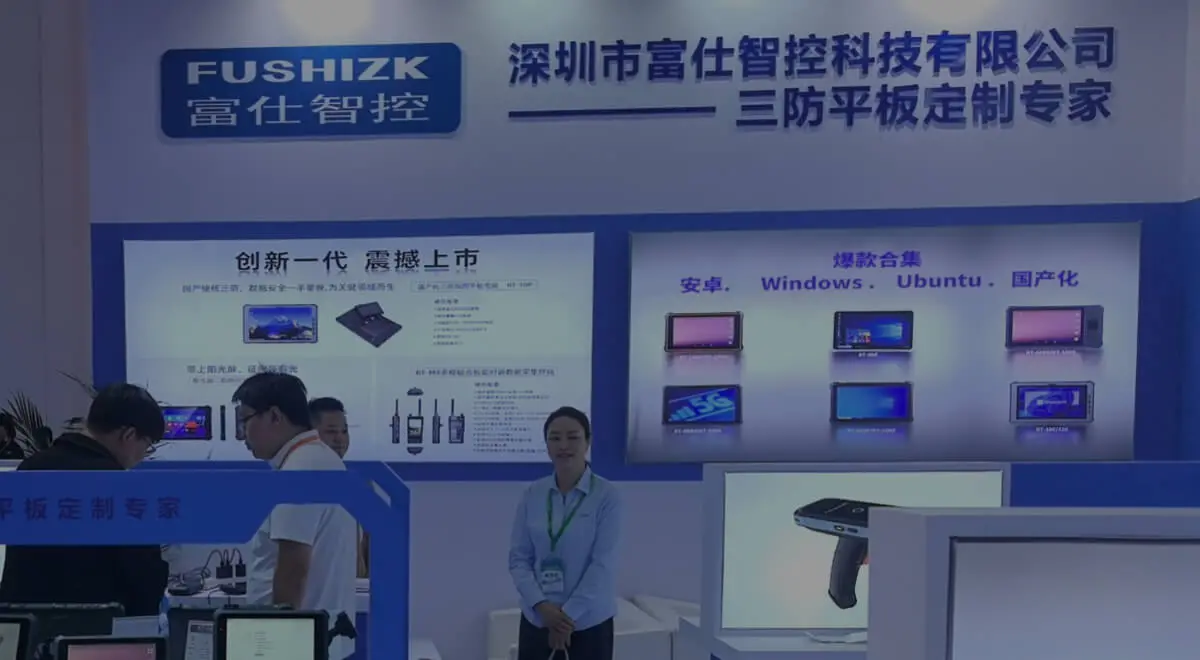
As a technology enterprise focused on rugged computing solutions, FUSHi TECH combines embedded system development, wireless communication technology, and intelligent manufacturing capabilities to support diverse industrial deployment requirements.
Industrial hardware purchasing should never focus only on initial procurement cost.
A low-quality device may lead to:
In contrast, a reliable rugged tablet can continue operating in demanding environments for years, helping businesses maintain workflow continuity and operational stability.
For industrial buyers, reliability, compatibility, and service support are usually more valuable than simply choosing the lowest-priced option.
Choosing the right 12-inch Windows 10/11 rugged tablet requires balancing durability, software compatibility, mobility, connectivity, and future scalability.
Industrial environments are becoming increasingly digital, and rugged computing devices are now essential tools across manufacturing, logistics, utilities, transportation, and field service industries.
A well-designed rugged tablet not only improves work efficiency but also supports long-term operational stability in demanding environments.
For businesses seeking reliable industrial mobility solutions, selecting a rugged tablet manufacturer with strong technical development capabilities and industry experience can make a significant difference in long-term deployment success.