 EN
EN
 English
  简体中文
简体中文  Italian
  Spanish
  Turkish
  Japanese
  Portuguese
  Russian
  French
  German
  Polish
  Persian
  Arabic
 News
Latest news, updates & insights from Fushi.
Latest news, updates & insights from Fushi.
Sep 23, 2026Source:Intelligent Browse: 2
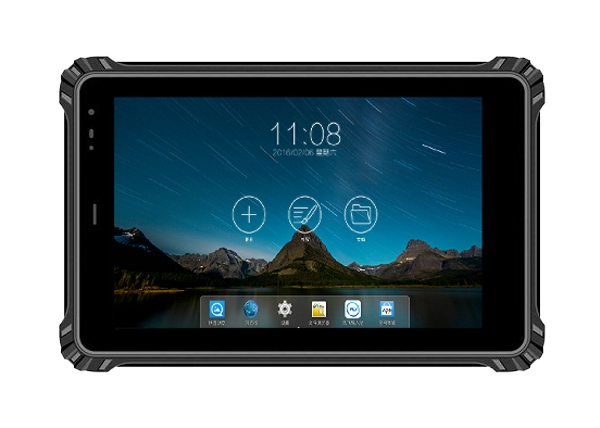
Display brightness is one of the specifications that can directly affect whether a rugged tablet remains usable in changing lighting conditions. For a device used inside factories, vehicles, outdoor inspection areas, or field service locations, choosing the right brightness level is more practical than simply selecting the highest available value. The RT-10NF 10-inch Windows10/11 Rugged Tablet offers 500 nit standard brightness with 800 nit and 1000 nit options, allowing the display configuration to be matched to the actual working environment.
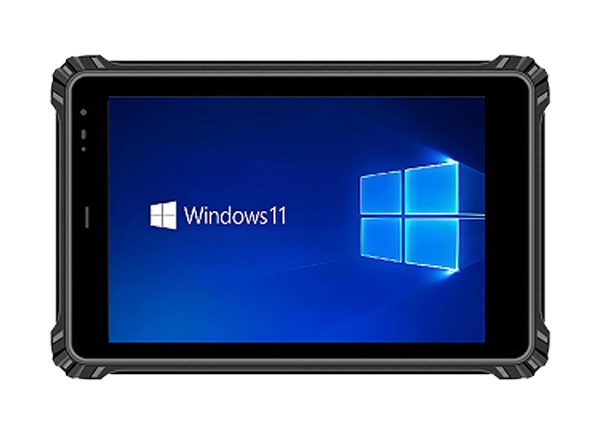
A tablet screen has to compete with the ambient light around it. In a controlled indoor environment, a standard-brightness display may provide sufficient visibility. The situation changes when the same device is used near factory entrances, inside vehicles, on construction or energy sites, or outdoors under direct sunlight.
The key specification is measured in nits, or candelas per square meter. A higher nit rating means the display can produce a higher level of luminance. However, higher brightness is not automatically the right choice for every deployment.
The purpose of selecting 500, 800, or 1000 nits should therefore be based on where the tablet will be used, how much ambient light is expected, and whether the operator needs to read detailed information continuously.
For the RT-10NF, the standard configuration provides 500 nits, while 800 nits and 1000 nits are available as optional display configurations.
A 500-nit display can be a practical choice for indoor industrial environments where lighting is relatively controlled.
Factory floors, equipment rooms, laboratories, warehouses, medical facilities, and indoor service areas may not require an ultra-high-brightness screen. In these environments, the operator may already have relatively stable artificial lighting, making a 500-nit configuration suitable for reading software interfaces, inspection records, equipment parameters, and digital forms.
The standard 500-nit configuration can also make sense when the tablet is frequently moved between offices and production areas but is not regularly exposed to direct sunlight.
For projects where the majority of operating time is indoors, selecting 500 nits can provide a reasonable balance between screen visibility and the overall display configuration.
An 800-nit display becomes more useful when the tablet regularly moves between indoor and outdoor environments.
Consider a maintenance technician who starts a work order inside a facility and then carries the tablet outside to inspect equipment. Lighting conditions can change significantly during this transition. A display that works well indoors may become more difficult to read when exposed to stronger ambient light.
The RT-10NF with an 800-nit configuration provides additional display luminance for these mixed environments.
This level can also be considered for vehicle applications. A tablet mounted or used inside a vehicle can experience sunlight entering through the windshield or side windows. Depending on the vehicle layout and installation position, additional brightness can help maintain screen readability.
For field service, transportation, outdoor inspection, and similar applications where the tablet is not permanently indoors, 800 nits can be a useful middle configuration.
A 1000-nit display is intended for environments where strong ambient light is a regular part of the workflow.
Outdoor patrol, energy inspection, oil and gas field operations, transportation, vehicle applications, and other exposed environments may involve direct or intense sunlight. In these conditions, display brightness becomes a more significant factor because the screen needs to remain readable against strong ambient illumination.
For operators who spend long periods working outside, repeatedly adjusting their position to find shade or a better viewing angle can interrupt the workflow. A higher-brightness display can reduce this problem by providing more luminance for the screen content.
The RT-10NF can therefore be configured with 1000-nit brightness when outdoor visibility is a major requirement.
However, brightness should still be evaluated together with the application. If the tablet spends most of its time inside a warehouse and only occasionally goes outdoors, a 1000-nit configuration may not be necessary.
The three brightness options can be viewed according to the working environment rather than simply as three levels of product performance.
500 nits is suitable for controlled indoor environments such as manufacturing facilities, medical areas, laboratories, offices, and warehouses.
800 nits is more suitable for mixed indoor and outdoor work, vehicle use, field service, and facilities where lighting conditions change frequently.
1000 nits is better suited to applications where strong outdoor ambient light is a regular operating condition, including outdoor inspection, patrol, energy-related work, and exposed vehicle applications.
This does not mean that every outdoor application requires 1000 nits. Installation angle, sunlight direction, screen content, operating hours, and the amount of direct exposure all affect actual readability.
Brightness is only one part of display selection. The RT-10NF uses a 10-inch LCD with a standard resolution of 800 × 1280, while 1200 × 1920 is available as an option.
For field applications, resolution matters when the operator needs to view maps, equipment diagrams, detailed forms, images, or software interfaces with multiple information fields.
A higher-resolution configuration can provide more image detail and a finer interface on the same 10-inch screen. This can be useful for applications where technicians need to inspect visual information rather than simply read large text.
Therefore, brightness and resolution should be evaluated together. A high-brightness screen does not compensate for an interface that is difficult to read because of unsuitable scaling or insufficient detail.
The RT-10NF supports 10-point touch input and a 7H-hardness touch panel.
For mobile industrial applications, touch interaction can be more important than simply viewing information. Operators may need to select equipment records, enter inspection results, review documents, operate software controls, or confirm completed tasks while standing beside machinery.
A rugged touch panel also needs to work as part of the overall enclosure design. The RT-10NF combines its display and touch interface with an IP67-rated rugged structure, allowing the screen to be part of a tablet designed for demanding working environments.
This combination is particularly relevant when the display is being used outside a traditional office or workstation.
It is tempting to judge an outdoor tablet by its nit rating alone, but real-world visibility depends on several factors.
Screen brightness is one factor. The display resolution, viewing conditions, screen content, surrounding light, viewing angle, and software interface also influence how easily an operator can read the device.
The rugged construction also matters. The RT-10NF has an IP67 protection rating, a specified operating temperature range of -20°C to 60°C, and 1.2-meter drop resistance under the stated test conditions.
For outdoor and field applications, these characteristics work together. A bright display is useful, but it also needs to remain functional when the tablet is exposed to temperature changes, dust, water, and accidental drops.
Different industries can have very different display requirements.
In medical environments, 500 nits may be sufficient for indoor operation where ambient lighting is controlled. In intelligent manufacturing, the choice can depend on whether operators use the tablet mainly on a production floor or move between indoor and outdoor equipment.
For vehicle applications, 800 or 1000 nits may be considered depending on mounting position and exposure to sunlight.
Outdoor patrol and law enforcement workflows can benefit from higher brightness when the device is frequently used in exposed areas. Oil and gas inspection may also require a higher-brightness configuration when technicians need to work outside for extended periods.
The right configuration should therefore be based on actual operating conditions rather than selecting the highest specification by default.
Display visibility becomes more useful when the tablet can maintain access to the information required by the operator.
The RT-10NF supports Wi-Fi on 2.4 GHz and 5.8 GHz bands, Bluetooth 5.1 BLE Class 1, and an optional 4G/5G communication module. It also supports a GPS module for positioning applications.
This allows the tablet to be used in different connectivity environments. A technician may use Wi-Fi inside a facility, cellular communication at a remote site, and GPS when location information needs to be associated with field activities.
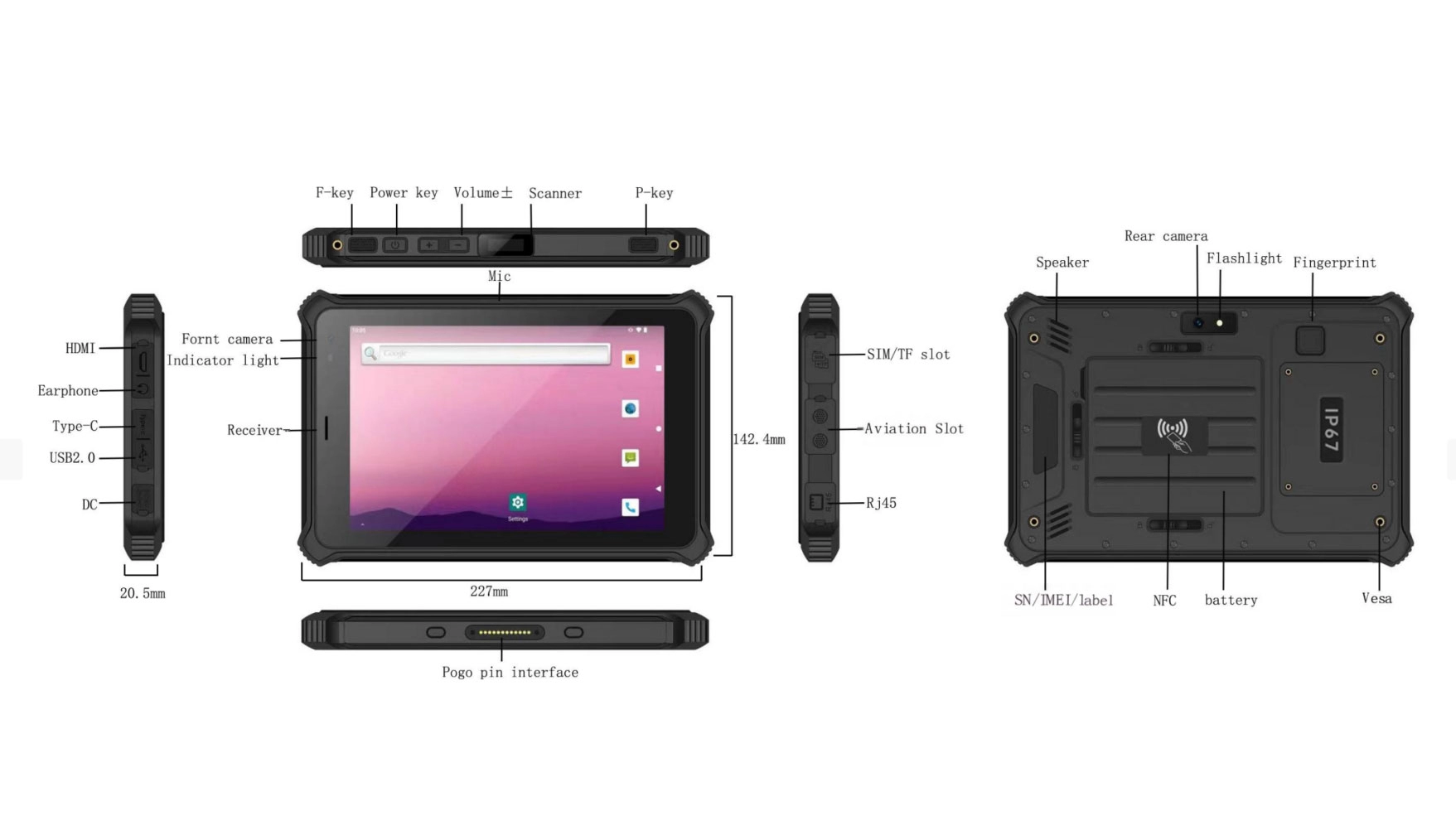
The device also provides a 100 Mbps Ethernet port, USB Type-A, USB Type-C, Micro HDMI, a 12-pin pogo pin connector, TF card support, and a SIM slot.
These interfaces can be useful when the tablet needs to connect to industrial equipment, accessories, networks, or external displays.
When choosing between 500, 800, and 1000 nits, the first question should be where the tablet will spend most of its operating time.
For predominantly indoor use, 500 nits is a practical starting point. For mixed indoor and outdoor operation, 800 nits can provide additional flexibility. For regular outdoor work under strong ambient light, 1000 nits should be considered.
The display should then be evaluated together with resolution, touch requirements, connectivity, operating temperature, protection level, and battery requirements.
Fushizk Technology Co.,Ltd develops rugged computing products for manufacturing, automation, transportation, medical, energy, outdoor inspection, and other specialized applications. Its technical capabilities include embedded system development, AI algorithm optimization, and wireless communication technology, supporting different rugged computing requirements.
For organizations deploying Windows-based field applications, the RT-10NF 10-inch Windows10/11 Rugged Tablet provides three brightness configurations that can be matched to different operating conditions. Rather than treating 1000 nits as universally better than 500 nits, selecting the appropriate level based on actual lighting exposure can result in a more practical and application-specific rugged tablet configuration.