 EN
 English
 简体中文
 Italian
 Spanish
 Turkish
 Japanese
 Portuguese
 Russian
 French
 German
 Polish
 Persian
 Arabic
News
Latest news, updates & insights from Fushi.
Latest news, updates & insights from Fushi.
Oct 15, 2026Source:Intelligent Browse: 3
UHF RFID tablets help industrial teams identify tagged assets, speed up inventory checks, and record item movements without scanning every label individually. This article explains how to select and deploy an RFID-enabled rugged tablet for practical asset tracking workflows, with a focus on the RT-10MF and its optional UHF reader configurations.
Industrial asset tracking often becomes difficult when equipment, tools, spare parts, and materials move between storage areas, production lines, maintenance departments, and outdoor work sites. Manual checks can take considerable time, while conventional barcode scanning usually requires the operator to locate and scan each label separately.
Ultra-high-frequency radio frequency identification (UHF RFID) offers another approach. By reading compatible RFID tags wirelessly, an RFID-enabled mobile device can help staff identify multiple tagged items more efficiently, depending on the reader configuration, tag placement, and surrounding environment.
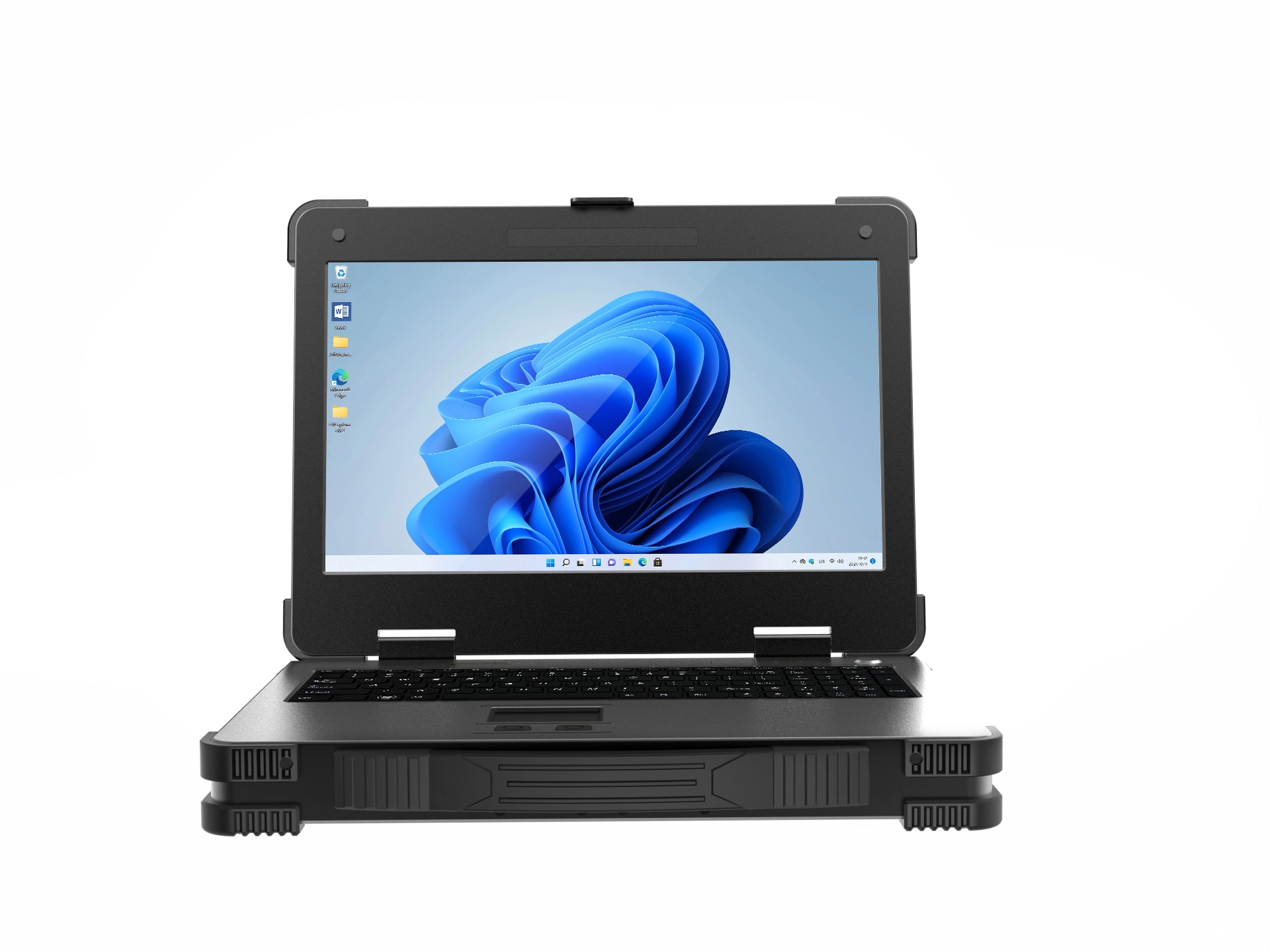
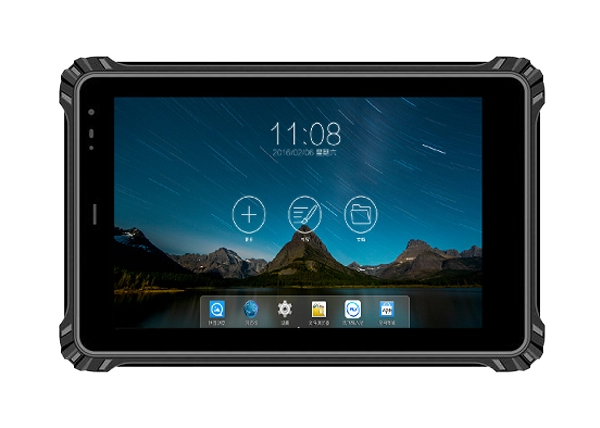
For businesses looking to improve mobile inventory operations, the RT-10MF 10-inch Android Rugged Tablet provides a platform for evaluating RFID-based workflows in industrial settings. Its optional embedded UHF modules, Android operating system options, IP67 protection, and wireless connectivity make it worth considering for asset tracking applications that require mobility and field data collection.
Traditional inventory processes often depend on spreadsheets, paper forms, or individual barcode scans. These methods can work well for small inventories, but they become more demanding when staff need to verify large numbers of assets across several locations.
UHF RFID uses radio waves to communicate with compatible tags. Depending on the system, an operator may be able to read multiple tags within the reader's effective range without pointing the device directly at each label. This can reduce repetitive scanning and make routine inventory checks more efficient.
Typical industrial applications include:
l Checking tools and equipment in maintenance departments.
l Verifying spare parts in warehouses and production facilities.
l Tracking reusable containers and equipment between work areas.
l Conducting periodic asset audits.
l Recording the movement of tagged items between designated locations.
The main benefit is not simply reading tags faster. A useful RFID workflow also connects each tag's identifier to an asset record, inventory database, or enterprise application. Without this software connection, the tablet may read tag data, but the organization will still need a reliable process for interpreting and updating those records.
Not all RFID-enabled tablets provide the same reading performance. The reader module, antenna design, supported frequency range, tag type, and software interface all influence how the system performs in actual operations.
The RT-10MF rugged tablet offers two listed embedded UHF module options: PR9200 and R2000. The supplied specifications indicate nominal reading distances of approximately 3–5 meters for the PR9200 configuration and 10–15 meters for the R2000 configuration.
These figures should be treated as reference specifications rather than guaranteed working distances. Actual results can vary according to tag sensitivity, antenna orientation, reader power settings, metal surfaces, liquid-containing products, interference, and local radio regulations.
For example, tracking metal tools may require specially designed on-metal RFID tags. Tags attached to liquid containers may also behave differently from tags placed on cardboard cartons. A reader that performs well in a clean warehouse aisle may deliver different results near dense metal shelving or industrial machinery.
Before choosing a configuration, buyers should identify the typical tag type, the distance required for each task, the density of tagged items, and whether selective reading is necessary. Testing both module options with representative tags can help establish which configuration fits the intended workflow.
An RFID tablet is most useful when its reading capabilities are integrated into a clearly defined inventory process. A practical implementation should establish what employees need to read, what information they need to see, and what actions they are authorized to perform.
Consider a maintenance department responsible for hundreds of tools and replacement components. At the beginning of a shift, an employee could use a compatible RFID application to check tagged equipment against a digital inventory list. Missing items could then be investigated before maintenance work begins.
In a warehouse, staff could use RFID readings to support periodic stock verification. The application might compare detected tag identifiers with expected inventory records and flag discrepancies for further checking. If items move between departments, the workflow could also record the relevant location and transaction details.
The RT-10MF Android tablet can serve as the mobile computing device for these workflows when paired with a compatible UHF module and application. Its 10-inch screen provides space for inventory lists, asset details, and exception reports, while the optional 8GB RAM and 128GB storage configuration may be worth evaluating for applications with more demanding local data requirements.
The exact software capabilities will depend on the application provider and system integration. Buyers should confirm whether the selected solution supports tag reading, duplicate handling, offline records, user permissions, and synchronization with the existing inventory platform.
RFID inventory work does not always happen in a climate-controlled office. Staff may inspect equipment outdoors, move between buildings, work around production machinery, or conduct asset checks in dusty and damp locations.
In these environments, device durability becomes part of the deployment decision. The RT-10MF specifies IP67 protection, a working temperature range of -20°C to 60°C, and resistance to a 1.2-meter drop onto a composite wooden floor under the stated test conditions.
IP67 indicates protection against dust ingress and temporary immersion in water under specified test conditions. It does not mean the tablet is suitable for every chemical exposure, unlimited water contact, or all hazardous industrial areas. Organizations should verify the manufacturer's documentation for their specific operating conditions.
The device also has a built-in 10,000mAh, 3.8V polymer lithium-ion battery. Its stated battery life is approximately 10 hours when playing local high-definition 1080p video at 50% volume. Actual RFID operating time may differ because continuous reader use, screen brightness, wireless communication, and application workload can increase power consumption.
For a full-shift inventory operation, it is advisable to test battery endurance using the actual RFID module and application rather than relying solely on video playback results.
Reading a tag is only the first step in an effective asset management process. Organizations must also decide how the tablet will process, display, and transmit the collected information.
The RT-10MF supports Android 10 and Android 13 configurations, with the specific operating system version to be confirmed when ordering. Android compatibility is particularly important when the RFID application uses a dedicated software development kit (SDK), device service, or proprietary interface for communication with the embedded reader.
During technical evaluation, check the following points:
l Whether the RFID manufacturer provides a compatible Android SDK or application programming interface.
l Whether the application can receive tag identifiers and any required additional tag data.
l Whether duplicate reads can be filtered to avoid inaccurate inventory counts.
l Whether inventory records can be stored temporarily when network access is unavailable.
l Whether the application can synchronize with warehouse management, enterprise resource planning, or asset management systems.
l Whether user permissions and audit records meet the organization's operational requirements.
The tablet supports Wi-Fi, Bluetooth 5.3, and optional cellular connectivity, which can help teams select a suitable data communication method. The available Type-A and Type-C USB 2.0 interfaces, Micro HDMI, and 12-pin Pogo Pin interface may also be relevant when evaluating peripheral or docking requirements. Compatibility with the specific RFID module and accessory must be confirmed.
For sites with unreliable network coverage, offline data capture and controlled synchronization can be particularly useful. However, offline operation must be implemented by the application; wireless connectivity alone does not guarantee that the inventory system will continue working without a network.
RFID is not always the best choice for every inventory task. A comparison with barcode and QR code scanning can help businesses determine whether the additional RFID capability will solve a real operational problem.
Barcode and QR code systems are often suitable when items have visible labels and employees can scan them individually. They can be relatively straightforward to implement, particularly when the organization already uses printed identifiers and mobile scanning software.
UHF RFID may be more suitable when employees need to identify numerous tagged items within a reading area or reduce the need to position a scanner directly in front of each label. However, RFID systems require compatible tags and readers, and their performance can be affected by item materials, tag placement, and nearby objects.
A sensible selection process starts with the inventory workflow rather than the technology itself. If staff need to inspect a small number of individually labeled assets, barcode scanning may be sufficient. If they regularly verify large groups of tagged items, UHF RFID may offer a more efficient alternative.
Some organizations may benefit from using both approaches. The RT-10MF lists optional 1D/2D scanning modules as well as UHF RFID configurations, so buyers can assess whether a combined device configuration meets their operational requirements. The availability and compatibility of the selected modules should be confirmed before deployment.
A short pilot test can reveal problems that may not appear in a specification sheet. Before deploying RFID tablets across a warehouse or industrial facility, test the complete system under representative working conditions.
First, confirm that the RFID module supports the tags and radio frequency regulations applicable to the intended market. Next, test read performance with the actual assets, including metal tools, packaged materials, and items stored close together.
Then evaluate the application workflow. Employees should be able to identify the correct inventory location, distinguish expected items from unexpected reads, and resolve duplicate or missing records without creating unnecessary manual work.
It is also important to check battery endurance, screen readability, wireless coverage, and synchronization performance during a normal shift. If the device will be used in a harsh environment, verify the required protection documentation and accessory compatibility.
Finally, clarify the supplier's support for the selected module, software integration, operating system configuration, and future maintenance. These details are particularly important when the tablet is intended to become part of a long-term asset management system.
Industrial RFID projects often involve more than selecting a tablet. They may require hardware configuration, reader integration, software development, communication testing, and coordination with an existing inventory platform.
Fushizk Technology Co., Ltd. is a technology enterprise established in 2021 in Shenzhen, China. The company focuses on the research, development, production, and sales of rugged computing tablets, including Android and Windows tablets, vehicle-mounted devices, medical rugged tablets, and other reinforced computing products.
The company identifies embedded system development, AI algorithm optimization, and wireless communication technology as its core technical areas. It also reports more than 50 patent applications and annual R&D investment exceeding 15% of its stated investment base.
For organizations evaluating the RT-10MF, the key is to confirm the complete proposed configuration rather than assess the tablet by model name alone. Buyers should request details for the selected UHF reader, compatible tags, Android version, software interface, communication options, and required certifications. A sample-based evaluation can then establish whether the device meets the operational requirements.
UHF RFID can make industrial asset tracking and inventory checks more efficient when compatible tags, reader hardware, and inventory software work together. Its value is particularly clear in workflows involving repeated asset audits, tool management, warehouse stock verification, and equipment movement between locations.
The RT-10MF provides an Android rugged tablet platform with optional PR9200 and R2000 embedded UHF reader configurations, IP67 protection, a 10-inch display, and wireless communication options. These features make it a candidate for businesses evaluating mobile RFID inventory solutions.
The most reliable way to select a configuration is to test it with the organization's actual tags, assets, software, and working environment. By validating read performance and data handling before deployment, businesses can determine whether an RFID-enabled rugged tablet fits their inventory process and long-term asset management goals.