 EN
EN
 English
  简体中文
简体中文  Italian
  Spanish
  Turkish
  Japanese
  Portuguese
  Russian
  French
  German
  Polish
  Persian
  Arabic
 News
Latest news, updates & insights from Fushi.
Latest news, updates & insights from Fushi.
Sep 16, 2026Source:Intelligent Browse: 0
When industrial tablets move from controlled indoor environments to direct sunlight, display visibility becomes a practical part of system performance. For factory automation EMS, field inspection, fleet management, logistics, and outdoor service operations, a rugged tablet must do more than withstand drops, dust, water, and temperature changes. Operators also need to read data and interact with applications without constantly searching for shade or changing their viewing angle.
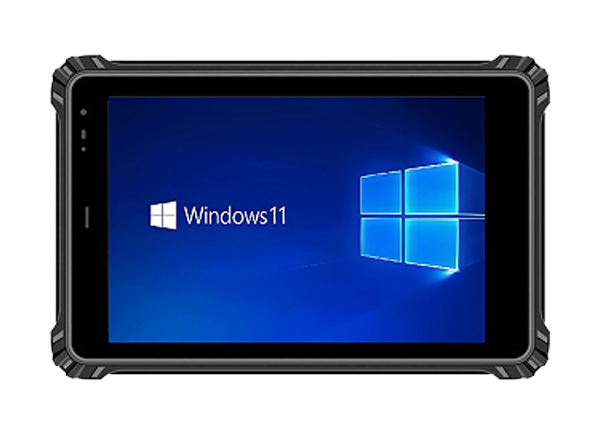
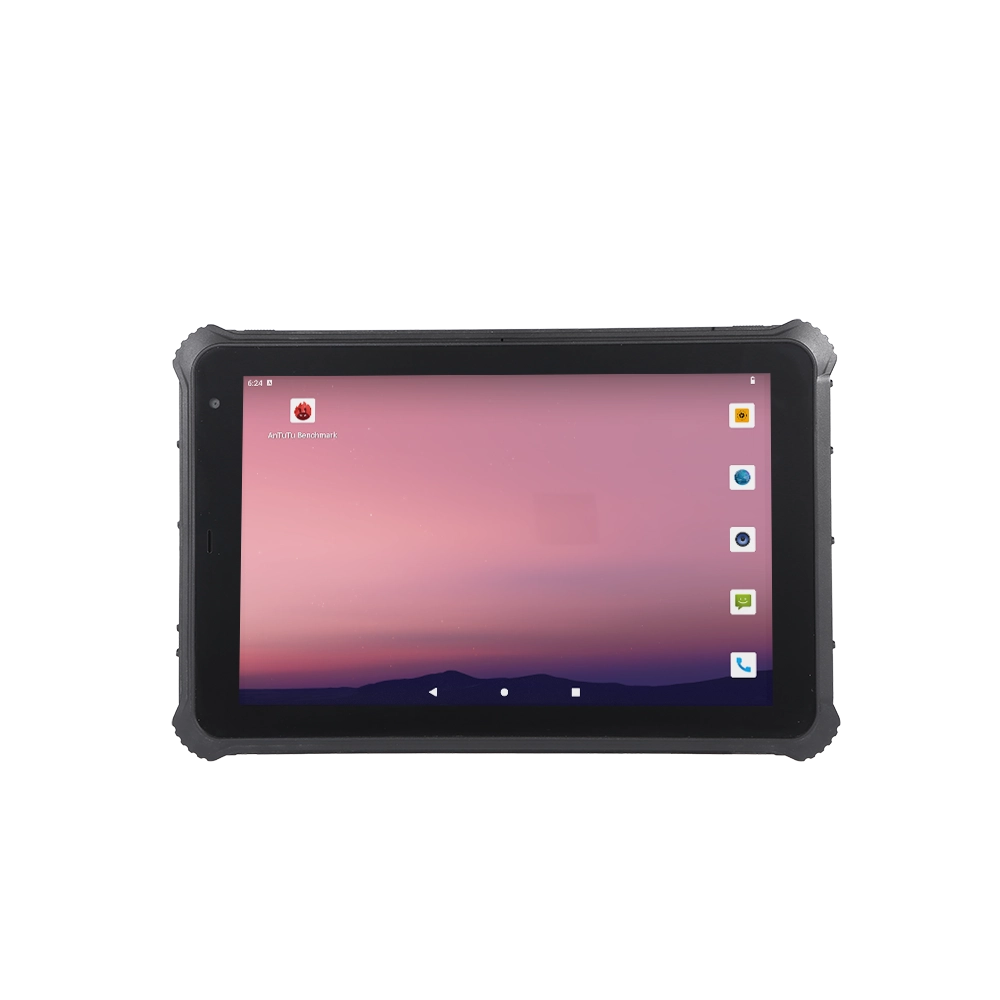
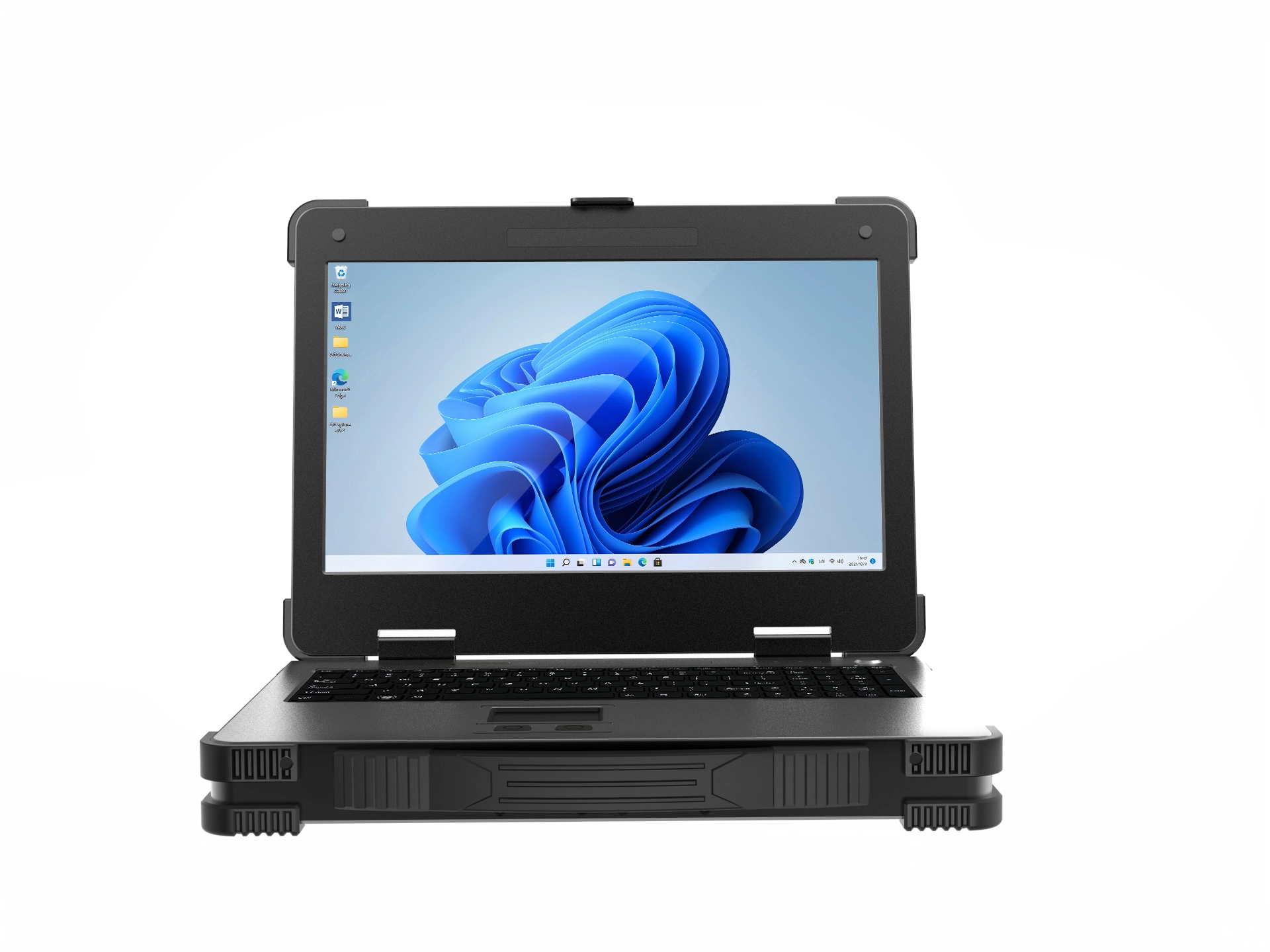
Fushizk Technology provides a range of industrial rugged tablets for demanding B2B applications, including the 12-inch Windows RT-12C, 10.1-inch Android T1, and 10-inch high-precision RT-10X. Depending on the deployment, configurations can include Intel Core processors, Android platforms, RS232 interfaces, Gigabit Ethernet, high-capacity batteries, high-brightness displays, GNSS positioning, and modular data-capture functions.
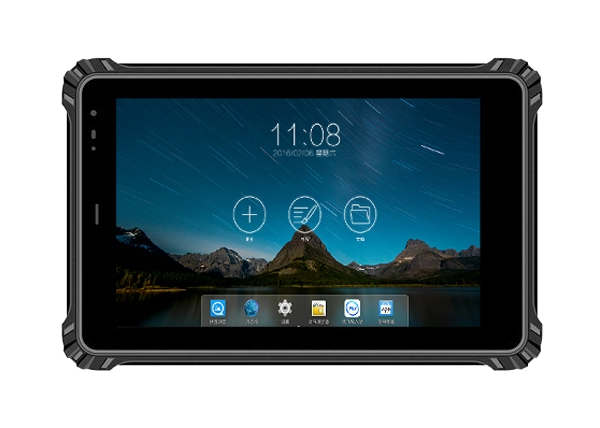
For applications that require a sunlight readable tablet, selecting the appropriate display brightness is especially important. The T1 10.1-inch Android rugged tablet offers 500, 800, and 1000 nit display configurations to support different indoor, mixed-light, and outdoor operating conditions.
In modern factory automation, EMS production, field inspection, fleet management, and industrial logistics, consumer tablets are not always designed for the conditions in which professional operators work. Equipment may be exposed to accidental drops, dust, water, temperature fluctuations, vibration, and long periods of continuous use.
An industrial rugged tablet is designed around these operational requirements. Instead of treating durability as an optional feature, rugged computing platforms combine mechanical protection, thermal management, high-capacity power systems, communication interfaces, and computing performance into one field-ready device.
Fushizk's rugged tablet lineup includes the 12-inch Windows RT-12C, 10.1-inch Android T1, and 10-inch RT-10X, providing different computing platforms for system integrators, OEMs, industrial equipment developers, and field-service applications.
Rugged Protection for Demanding Worksites
Selected configurations provide IP67/IP68 protection against dust and water, together with 1.2-meter drop resistance and repeated drop testing on hard surfaces. These characteristics help reduce the risk of device failure when tablets are moved between production areas, vehicles, warehouses, and outdoor work locations.
Extreme Temperature Operation
Selected rugged configurations support operating temperatures from -40°C to 60°C, making them suitable for applications such as cold-chain logistics, outdoor industrial inspection, transportation, and oil and gas field operations.
Long-Lasting Field Operation
Heavy-duty polymer lithium-ion batteries with capacities of up to 12,000mAh can support extended field workflows, with battery life of up to 10 hours under specified local 1080P video testing conditions. Actual operating time varies according to processor load, wireless communication, screen brightness, peripherals, and application usage.
Industrial Computing and Connectivity
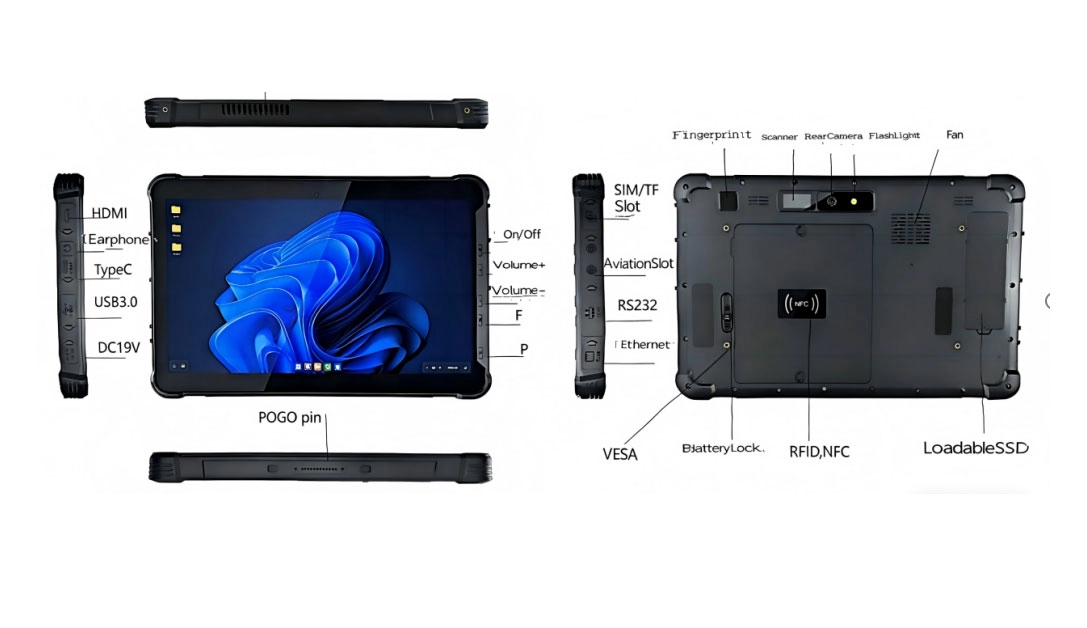
Depending on the model, the platform can be configured around Windows or Android operating systems and support interfaces and communication options required by industrial systems. RS232, Gigabit Ethernet, wireless communication, GNSS, scanning, and other expansion functions allow the tablet to work as part of a larger equipment or information system.
For B2B projects, this flexibility is important because the tablet is often not an isolated endpoint. It may need to communicate with PLCs, industrial controllers, enterprise software, vehicle systems, sensors, scanners, or local network infrastructure.
Moving between an indoor warehouse and direct outdoor sunlight can expose one of the most common limitations of consumer tablets: insufficient screen brightness.
For logistics operators, field-service technicians, maintenance teams, transportation personnel, and public safety applications, screen visibility directly affects how quickly information can be read and entered.
The T1 10.1-inch Android rugged tablet addresses this requirement with configurable high-brightness display options designed for different ambient-light conditions.
Display brightness is measured in nits, or candela per square meter. A higher brightness rating allows the display to produce more luminance, which can improve readability when surrounding light is strong.
The T1 offers 500, 800, or 1000 nit LCD configurations, with display resolutions available up to 1200×1920.
This gives project buyers a practical way to match the display to the actual working environment.
A 500-nit configuration may be appropriate for controlled indoor applications such as production lines, warehouses, medical facilities, or indoor equipment management.
An 800-nit sunlight readable tablet configuration can provide a stronger balance for applications where operators regularly move between indoor and outdoor environments.
For applications with frequent direct sunlight exposure, a 1000-nit rugged tablet display provides a higher level of screen luminance for viewing text, digital forms, equipment readings, maps, and other interface elements in bright daylight.
The objective is not simply to choose the highest brightness. The correct configuration depends on ambient light, mounting position, viewing angle, windshield or protective glass, application interface design, and whether the device is used indoors, outdoors, or across both environments.
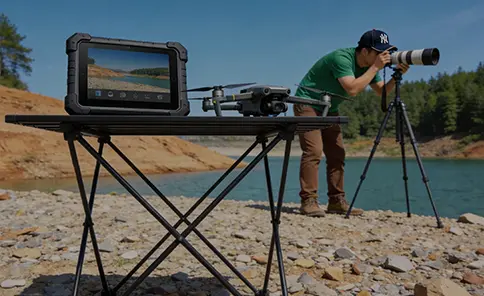
Display brightness is only useful when operators can also interact with the interface reliably.
The T1 uses a 10-point capacitive touch panel with 7H surface hardness. Customized touch configurations can include glove touch, wet-hand touch, and anti-glare (AG) functions.
These options are relevant to industrial environments where operators cannot always use a tablet like a consumer device.
A field technician may need to operate the tablet while wearing protective gloves. A warehouse worker may need to enter information immediately after handling equipment. An outdoor service engineer may encounter moisture or changing weather conditions.
With the appropriate touch configuration, the T1 can support these workflows without requiring operators to repeatedly remove protective equipment or stop work to find a more controlled environment.
Many industrial tablet deployments require more than computing and connectivity. Location accuracy can also be an important part of the workflow.
For applications such as surveying, mapping, precision agriculture, fleet management, infrastructure inspection, and field asset management, an RTK rugged tablet can combine rugged computing with high-precision positioning technology.
The T1 can be configured with GNSS functions supporting GPS, BeiDou, Galileo, and GLONASS. Optional high-precision positioning modules can be integrated for applications that use differential correction services or local base stations.
This allows the rugged tablet to act as a connected field terminal for applications that combine location information with maps, inspection records, asset data, or operational instructions.
For example, a field worker can use a sunlight-readable display to view GIS information while simultaneously using GNSS positioning to associate inspection records with specific locations.
For projects requiring an Android rugged tablet, the T1 can be configured around the Android 15 platform and an MTK6789 octa-core processor running at up to 2.2GHz.
Memory configurations can reach 8GB+256GB, providing additional capacity for applications, local databases, maps, inspection records, and other field data.
This is particularly useful when the tablet is expected to operate as more than a basic information terminal. Field applications may need to process local databases, maintain background services, access cloud applications, communicate with peripherals, and display GIS or equipment information at the same time.
The combination of Android computing, high-brightness display, wireless connectivity, positioning, and modular expansion makes the T1 suitable for a range of connected industrial workflows.
Industrial tablets are increasingly used as data collection terminals rather than standalone computers. Manual entry can introduce unnecessary steps when operators are working with equipment, packages, assets, or identification labels.
The T1 supports optional expansion modules including:
These functions allow the tablet to be adapted to different data-capture requirements.
In warehouse operations, for example, an operator can scan a package or asset code and immediately access the corresponding record on the tablet. In field service, scanning an equipment identification code can connect the technician with maintenance history, digital documentation, or inspection forms.
This creates a complete workflow in which the rugged tablet receives data, processes information, displays results, and communicates with connected systems.
Not every industrial application uses the same software environment.
Some system integrators require Windows compatibility for existing enterprise software, industrial applications, or legacy equipment. Others prefer Android for mobile applications, cloud-based systems, custom interfaces, or Android-based field software.
For this reason, Fushizk's product range includes both Windows and Android rugged computing platforms.
The 12-inch Windows RT-12C can address projects requiring a larger Windows interface and industrial computing environment, while the 10.1-inch Android T1 provides a more portable Android platform for field applications.
The 10-inch RT-10X adds another platform option for high-precision industrial applications.
This product approach allows system integrators to select the computing platform according to software architecture, communication requirements, display size, mounting conditions, and field workflow instead of adapting the entire project to a single fixed tablet configuration.
Choosing display brightness should begin with the actual deployment environment rather than the specification sheet alone.
A 500-nit configuration can be considered for primarily indoor environments such as:
An 800-nit configuration can be suitable for mixed indoor and outdoor applications where operators frequently move between different lighting conditions.
Typical applications include:
A 1000-nit configuration is particularly relevant when the tablet is frequently exposed to strong daylight or direct sunlight.
Potential applications include:
Brightness should also be considered together with anti-glare treatment, touch requirements, screen resolution, operating temperature, mounting position, protective glass, and power consumption.
For OEM and system-integrator projects, confirming these factors during the hardware selection stage can help prevent display-related limitations after deployment.
High brightness is one component of an industrial tablet. A field deployment also depends on physical protection, computing performance, battery capacity, connectivity, positioning, and peripheral compatibility.
Fushizk rugged computing platforms are designed to combine these requirements within configurable hardware systems.
Depending on the model and project configuration, available technologies include:
This combination allows a rugged tablet to function as part of an industrial information architecture rather than simply serving as a portable screen.
For OEMs, system integrators, and industrial equipment developers, tablet selection often involves more than choosing an off-the-shelf model.
Interface requirements, operating system selection, display brightness, touch functions, wireless communication, GNSS modules, scanning peripherals, memory, storage, mounting, and enclosure requirements may all need to be considered together.
As an OEM rugged computing manufacturer, Fushizk Technology Co., Ltd. integrates R&D, production, and sales, with technical capabilities covering embedded system development, AI algorithm optimization, and wireless communication technology.
The company has applied for more than 50 patents and invests more than 15% of annual revenue in R&D. This supports customized rugged computing solutions for industrial and specialized applications.
For B2B customers, customization can include hardware interfaces, communication modules, touch functions, display configurations, peripheral expansion, system integration, and custom branding.
This project-oriented approach allows OEMs and system integrators to define the hardware according to their application architecture rather than selecting a consumer device and adding external components afterward.
A rugged tablet should be specified according to the complete working environment.
For indoor industrial systems, display brightness, interface compatibility, computing performance, and network connectivity may be the primary considerations.
For outdoor operations, sunlight readability, touch performance, battery capacity, temperature resistance, positioning, and physical protection become increasingly important.
For precision field applications, an RTK rugged tablet may need to combine high-precision GNSS with GIS software, wireless communication, and a sunlight-readable display.
For enterprise and industrial software environments, a Windows rugged tablet may be more appropriate, particularly when existing applications require Windows compatibility.
For mobile field applications, an Android rugged tablet can combine Android software flexibility with industrial hardware and modular communication options.
The right configuration therefore depends on the complete application rather than one specification alone.
For logistics, factory automation, field inspection, fleet management, public safety, infrastructure, and other demanding applications, display visibility is only one part of a successful rugged computing deployment.
Fushizk provides rugged tablet platforms that combine configurable display brightness, industrial touch functions, computing performance, connectivity, positioning, battery capacity, and rugged protection.
Whether your project requires a sunlight readable tablet, an industrial Windows tablet, an Android rugged tablet, or an RTK rugged tablet, the hardware can be evaluated according to your software architecture and field requirements.
Contact the Fushizk engineering team for detailed technical specifications, wholesale volume pricing, customized B2B evaluation samples, or OEM requirements.
Request a Quote / Contact Our Experts