 EN
 English
 简体中文
 Italian
 Spanish
 Turkish
 Japanese
 Portuguese
 Russian
 French
 German
 Polish
 Persian
 Arabic
News
Latest news, updates & insights from Fushi.
Latest news, updates & insights from Fushi.
Nov 20, 2026Source:Intelligent Browse: 0
Wireless connectivity has become an essential part of industrial operations. Production personnel use mobile terminals to access work orders, retrieve equipment information, record inspection results, and communicate with management systems. Maintenance teams may also need to move between production lines, warehouses, and equipment areas while keeping business applications accessible.
In these environments, wireless network performance affects more than internet access. It can influence how quickly employees retrieve information, how reliably mobile applications communicate with enterprise systems, and how efficiently devices share data.
Traditional wireless networks may face challenges when many devices connect within the same facility. Industrial buildings can contain metal structures, machinery, walls, and other obstacles that affect signal coverage. Network congestion may also occur when multiple terminals, scanners, access points, and other wireless equipment operate simultaneously.
Wi-Fi 6, based on the IEEE 802.11ax standard, introduces improvements in wireless network efficiency and capacity management. For industrial organizations using multiple mobile terminals, it provides another option for planning wireless access across connected work areas.
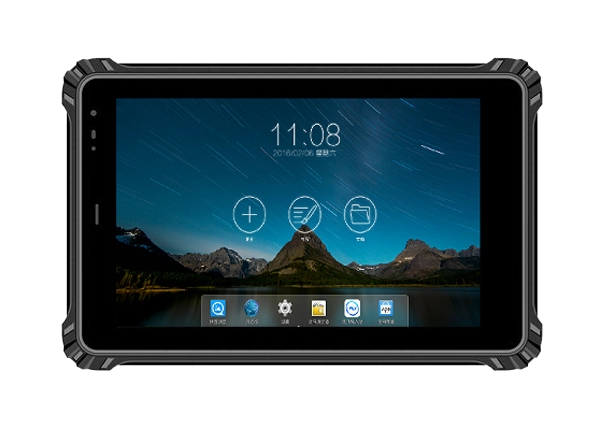
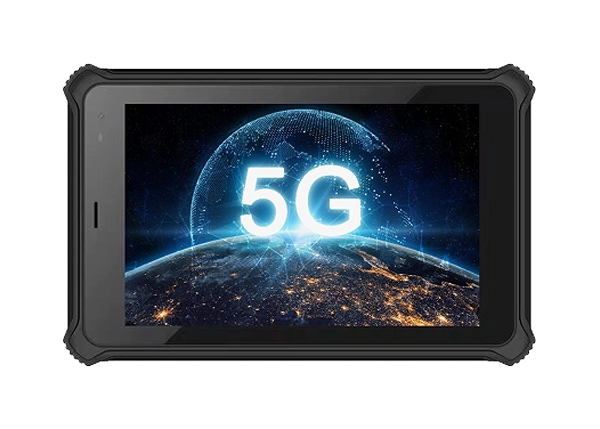
The RT-08D9 8-inch Android 14 5G Rugged Tablet supports 802.11a/b/g/n/ac/ax, covering 2.4GHz, 5.8GHz, and 6GHz frequency options according to its product specification. This makes it suitable for projects that require a portable Android terminal with modern wireless connectivity.
Wi-Fi 6 is designed to improve network efficiency, particularly in environments where multiple devices share wireless resources. One of its important technologies is Orthogonal Frequency Division Multiple Access (OFDMA), which allows a wireless access point to allocate resources to multiple devices within a channel.
Another technology, Multi-User Multiple Input Multiple Output (MU-MIMO), supports communication with multiple devices through spatial streams. Together with other improvements, these technologies can help manage network traffic more efficiently when supported by compatible access points and client devices.
For industrial applications, the practical value depends on the network environment and the devices connected to it. A factory using multiple wireless terminals may benefit from more efficient network resource allocation, while a facility with only a few connected devices may see less noticeable differences.
Wi-Fi 6 does not automatically eliminate dead zones, interference, or weak signals. Access point placement, channel planning, building materials, network configuration, and the number of connected devices remain important factors.
When evaluating a rugged tablet factory, buyers should therefore look beyond the wireless standard printed on a specification sheet. They should also consider how the tablet will be used with the existing network infrastructure.
Wireless frequency selection affects coverage, interference, and available bandwidth. The RT-08D9 lists support for 2.4GHz, 5.8GHz, and 6GHz frequency options, giving project teams several bands to consider when planning deployment.
The 2.4GHz band generally offers broader coverage and better penetration through some obstacles, but it is also commonly shared by many wireless devices. In a busy facility, interference from nearby networks and equipment can affect performance.
The 5GHz range can provide access to additional channels and higher data rates under suitable conditions. It is often useful for applications that require responsive access to business systems or the transfer of inspection records and images.
The 6GHz band, where permitted by local regulations and supported by the access point and client configuration, provides additional spectrum for compatible Wi-Fi 6E networks. It can help reduce competition with devices operating on older frequency bands. However, 6GHz availability and coverage characteristics differ by region and deployment environment.
Before purchasing mobile terminals, industrial IT teams should check the frequency bands supported by their wireless access points and confirm that the selected tablet configuration is compatible. Actual performance will depend on the complete network, not just the tablet.
A mobile terminal needs to maintain access to business applications as employees move through different parts of a facility. Wi-Fi connectivity can support a range of workflows, including:
· Production operations: Accessing work instructions, process information, and production records.
· Equipment maintenance: Retrieving service documentation and submitting maintenance reports.
· Warehouse management: Checking inventory information and accessing connected management applications.
· Quality inspection: Recording inspection results and transferring images or related documents.
· Facility management: Viewing assigned tasks and updating work status from different locations.
The RT-08D9 combines Wi-Fi connectivity with an MTK6877 eight-core processor operating at up to 2.4GHz. It runs Android 14 and offers 8GB RAM with either 128GB or 256GB of storage.
This hardware configuration provides a platform for compatible Android business applications. The 8-inch screen also offers a portable form factor for employees who need to carry a terminal while performing inspections or moving between workstations.
For organizations deploying multiple devices, application compatibility, user permissions, network authentication, and device management policies should be tested before large-scale rollout.
Industrial mobile devices often need more than wireless LAN access. Different tasks may require cellular communication, short-range peripheral connections, positioning, or wired interfaces.
In addition to Wi-Fi, the RT-08D9 supports Bluetooth 5.3 with BLE and 2G/3G/4G/5G cellular communication. Its Bluetooth connection can be used with compatible wireless peripherals, while cellular connectivity provides another communication option in areas where a suitable mobile network is available.
The tablet also supports one of four listed satellite positioning systems: GPS, BeiDou, Galileo, or GLONASS, depending on the selected configuration. This can support applications where location information is relevant, such as mobile asset operations and vehicle-related workflows.
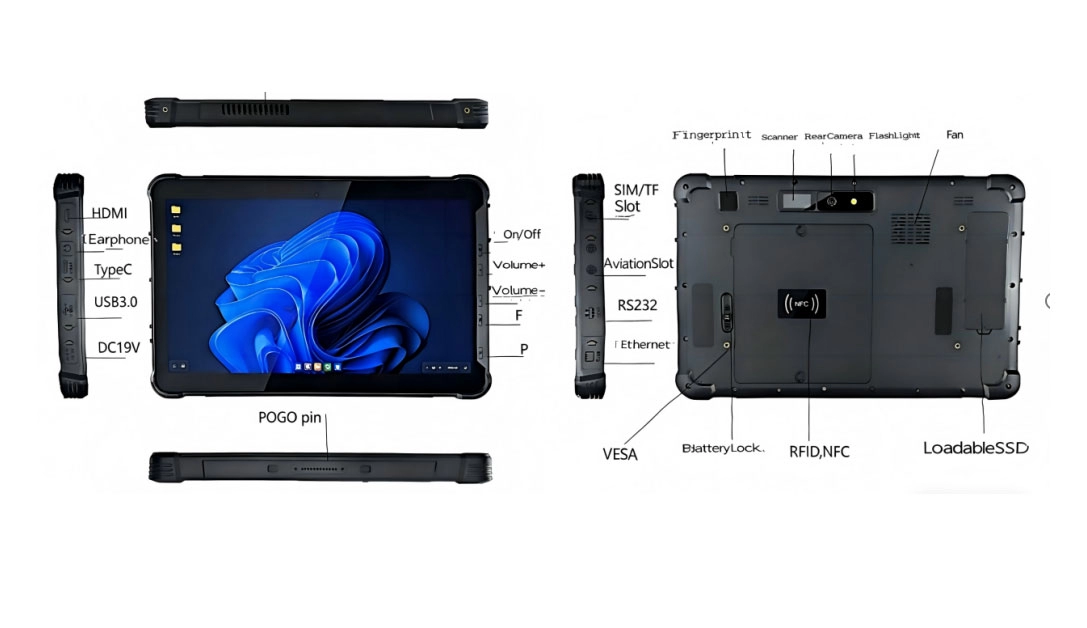
Its physical interfaces include USB Type-A, USB Type-C, Mini HDMI, a 100Mbps network port, a 12-pin Pogo Pin, and two aviation connectors. The aviation connectors can be customized for functions such as vehicle power supply, network connections, or serial interfaces, subject to the agreed hardware design.
These options allow project teams to consider different connection methods according to their equipment and application requirements. For example, Wi-Fi may be used for facility network access, while a wired interface may be more appropriate for a fixed equipment connection.
Wireless performance is important, but a mobile terminal must also suit the physical conditions of its working environment.
The RT-08D9 has an IP67 protection rating and a stated operating temperature range of -20°C to 60°C. It is specified as drop-resistant from 1.2 meters onto a composite wooden floor under the manufacturer's test conditions. These characteristics are relevant when selecting equipment for industrial sites where dust, water exposure, temperature changes, or accidental drops may be concerns.
The 8-inch LCD screen has a standard resolution of 800 × 1280, with a 1200 × 1920 option. Brightness options include 500, 800, and 1000 nits. Its 10-point touch panel has a 7H hardness rating, with optional anti-glare, glove-touch, and wet-hand-touch customization.
The device also features a detachable 3.8V, 8500mAh polymer lithium-ion battery. The stated battery life is approximately eight hours under a specific local 1080P video playback test condition. Actual operating time will vary with screen brightness, wireless activity, application workload, and peripheral usage.
These hardware options should be assessed against the actual work environment rather than treated as a substitute for testing the complete device under deployment conditions.
For B2B buyers, selecting a suitable rugged tablet involves more than comparing processor specifications and wireless standards. The manufacturer should be able to explain hardware configurations, clarify optional features, and help customers confirm whether the device meets the requirements of a particular project.
When evaluating a rugged tablet factory, buyers can focus on several practical questions:
· Does the manufacturer provide clear wireless specifications, including supported standards and frequency bands?
· Can the device be checked for compatibility with the customer's existing access points and network security configuration?
· Are optional communication, positioning, and interface modules available?
· Can the manufacturer support customized connectors or hardware configurations?
· Are environmental protection and reliability specifications documented?
· Can the supplier provide technical communication during product selection and deployment?
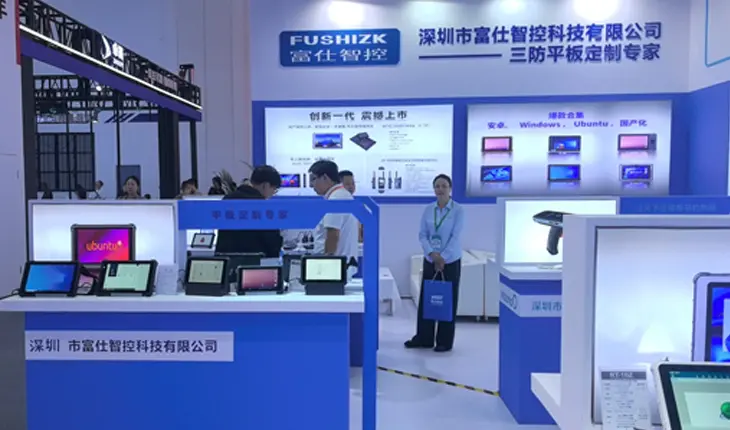
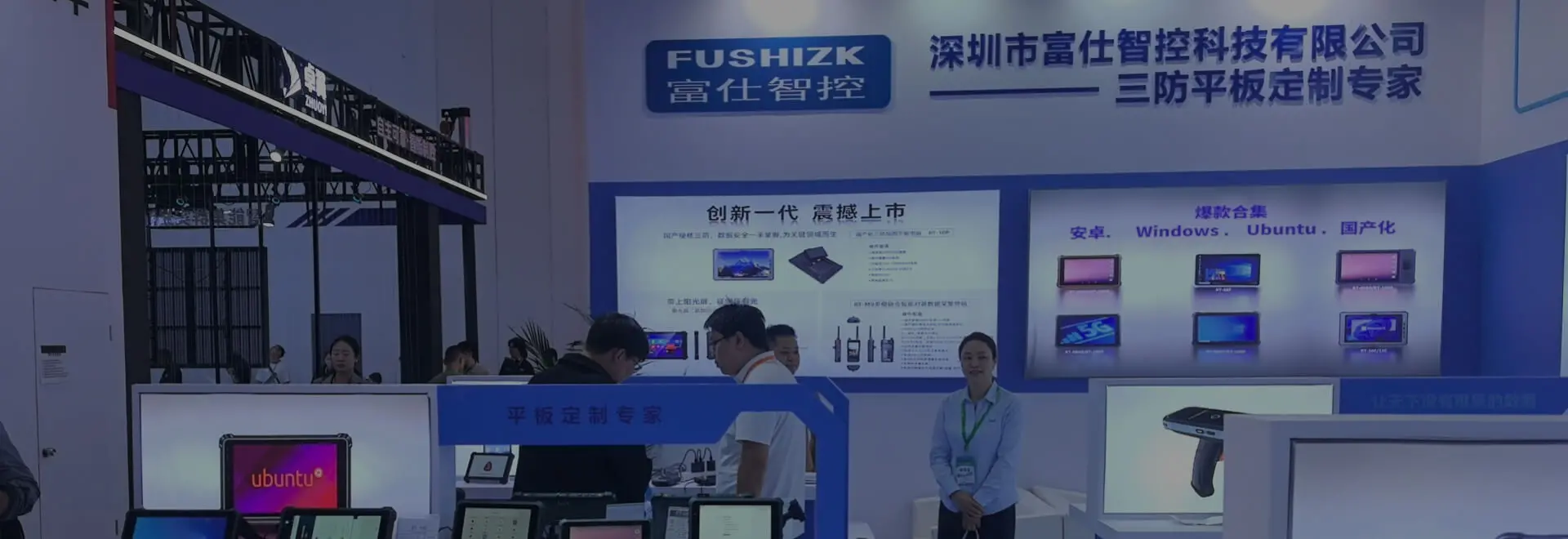
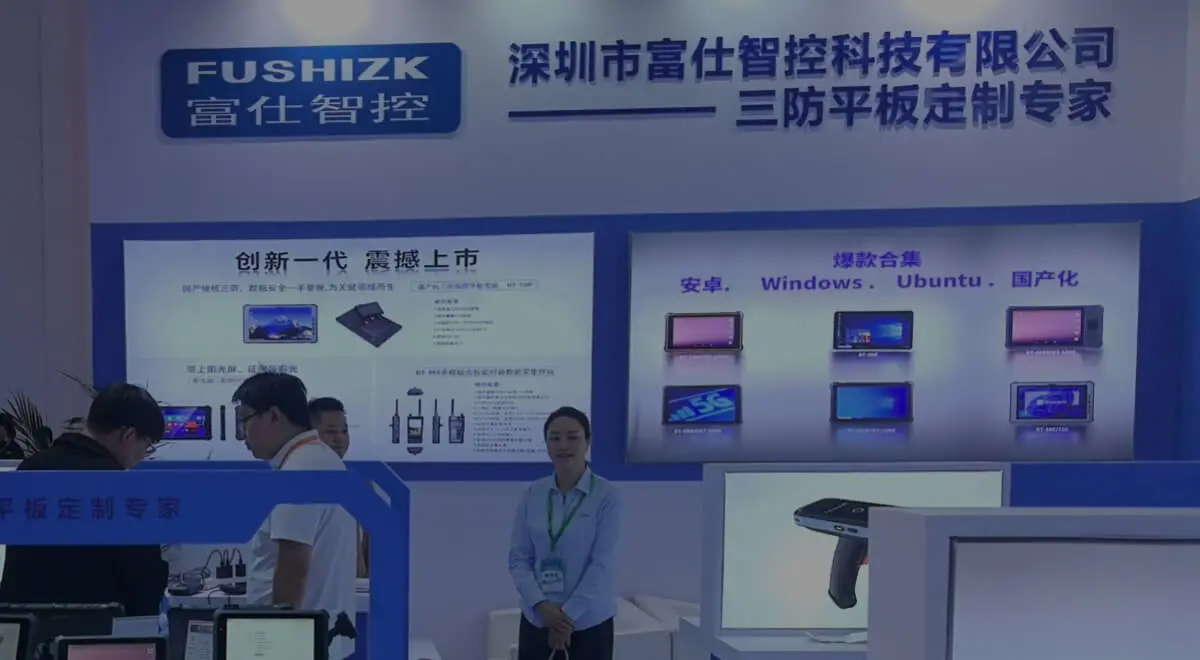
Fushizk Technology Co., Ltd., established in 2021 in Shenzhen, China, integrates R&D, production, and sales, specializing in rugged computing tablets. Its product portfolio includes Android and Windows rugged tablets, vehicle-mounted models, medical tablets, explosion-proof devices, and reinforced tablets for specialized applications.
The company identifies embedded system development, AI algorithm optimization, and wireless communication technology as its three core technical areas. It has applied for more than 50 patents, and its annual R&D investment exceeds 15% of revenue. These capabilities support its work in rugged computing product development and customized hardware solutions.
For buyers comparing a rugged tablet factory for an industrial wireless project, it is useful to discuss not only the tablet's Wi-Fi specifications but also the intended access point environment, optional communication modules, connector requirements, and application compatibility.
A successful Wi-Fi 6 deployment starts with understanding how employees use mobile devices throughout the facility. IT teams should identify areas where wireless access is required, assess the number of connected terminals, and check whether existing access points support the selected frequency bands.
A site survey can help identify weak coverage, interference, and areas that may require additional access points. Network administrators should also configure appropriate authentication, access permissions, and security policies before connecting industrial terminals to business systems.
The RT-08D9 Android 14 Rugged Tablet offers Wi-Fi 6 support alongside 5G connectivity, Bluetooth 5.3, multiple positioning options, and customizable physical interfaces. These features provide flexibility for industrial projects that require mobile access to applications and connected equipment.
For organizations planning to expand wireless operations across production facilities, warehouses, or field work areas, choosing the right terminal is only one part of the process. Working with an experienced rugged tablet factory and validating the complete network configuration can help ensure that the selected hardware fits the intended workflow.
With suitable network planning and application testing, the RT-08D9 8-inch Android 14 5G Rugged Tablet can serve as a mobile computing option for industrial teams that need portable access to connected business systems.